Snakebite First Aid: How to Treat a Pit Viper Bite

Erik Kulick · Jan 6, 2025
Most venomous snakebites in the U.S. come from pit vipers — and the real danger isn’t what most people think. Learn the evidence-based steps that protect life and limb.
Despite common belief, death from a venomous snakebite in the United States is exceedingly rare. According to the Wilderness Medical Society, of the roughly 45,000 snakebites reported annually, approximately 8,000 are confirmed venomous. Of those, only around 10 result in death — typically involving very young, elderly, or medically vulnerable individuals.
In fact, more Americans die each year from bee stings — and even from taking “selfies” in dangerous locations — than from snakebites.
Still, a venomous snakebite is not trivial. While the risk of death is low, the potential for significant tissue damage, infection, and even amputation of an extremity is real — particularly when outdated first-aid techniques are used.
Types of Venomous Snakes in the United States
Venomous snakes native to the United States fall into two primary groups: pit vipers and elapids.
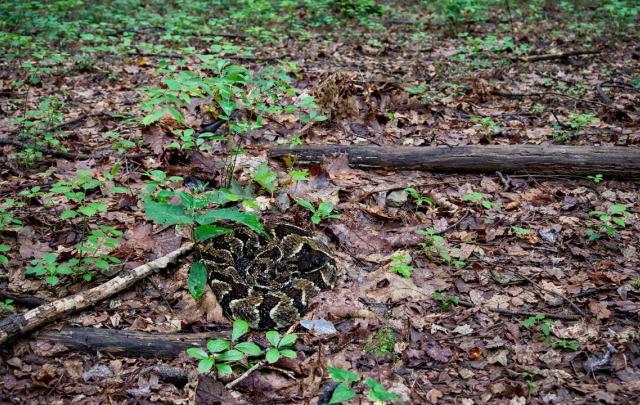
Pit vipers — which include rattlesnakes, copperheads, and cottonmouths (water moccasins) — account for approximately 98 percent of venomous bites. They are found throughout most of the contiguous United States, with limited absence in two northeastern states.
The only native elapid species in the United States is the coral snake, found in the southeastern and southwestern regions.
Pit viper venom is primarily hemotoxic. It damages tissue, disrupts clotting, and can destroy red blood cells. Biologically, the venom immobilizes and begins digesting prey — unfortunately, that same process can occur in human tissue.
Elapids, by contrast, produce a neurotoxin that interferes with nerve signaling and can impair breathing and muscle function. Coral snake bites are far less common — roughly 1% — but require distinct clinical consideration.
Because pit vipers account for the vast majority of venomous snakebites in the contiguous United States, this article focuses on pit viper bite management.
Pit Viper Bite First Aid — What To Do
The definitive treatment for a pit viper bite is evaluation in an emergency department, where antivenin may be administered if clinically indicated. In the field, your priorities are supportive care and prompt evacuation.
Key objectives:
• Ensure scene safety
• Control any significant bleeding
• Calm and reassure the patient
• Minimize movement to slow venom spread
Practical steps:
• Remove rings, watches, bracelets, or tight clothing near the bite site — swelling is common.
• Gently clean the wound and apply a clean dressing.
• Immobilize an affected limb by keeping it as straight as possible and keep it at or slightly below heart level.
• Keep the patient warm and hydrated.
• Mark the edge of swelling with a pen and note the time. Reassess and remark approximately every 15 minutes to monitor progression.
• Arrange evacuation to definitive medical care as soon as possible. If evacuation is delayed and the patient remains stable, slow and deliberate movement with frequent rest breaks may be appropriate.
Modern snakebite management emphasizes calm, controlled action — not dramatic intervention.
What Not To Do After a Snakebite
Outdated first-aid practices can worsen injury.
Do not:
• Cut the wound
• Attempt to suck out venom
• Use a snakebite suction kit
• Apply a tourniquet or constricting band
• Apply ice
• Give alcohol
Many believe it is necessary to capture, kill, or photograph the snake in order to determine the correct antivenin. This is not necessary. Attempting to do so increases risk to the rescuer and may delay care of the patient. Besides, modern antivenin used in U.S. hospitals is effective across pit viper species.
Why Tourniquets and Suction Devices Are Dangerous
Tourniquets concentrate venom in one area, increasing tissue destruction and raising the risk of amputation to the extremity. While it may seem counterintuitive, allowing venom to circulate systemically can reduce the severity of localized necrosis.
Commercial snakebite kits that rely on suction devices remain widely sold, but research demonstrates they do not meaningfully remove venom from tissue. Medical consensus does not support their use.
Evidence-based snakebite first aid replaces folklore with physiology.
Watch for Anaphylaxis
Although uncommon, a severe allergic reaction — anaphylaxis — can occur following a snakebite. Signs include difficulty breathing, swelling of the face or throat, hives, and a sudden drop in blood pressure.
Monitor the patient closely and be prepared to manage airway and shock if symptoms develop. In the small number of snakebite fatalities in the United States, severe allergic reaction is often the contributing factor.
As a practical matter, an EpiPen may be your only effective treatment. Consider talking with your physician about packing one for your first-aid kit and receiving training on how to use it.
Why Proper Snakebite First Aid Matters
For most patients, the greatest danger is not death — but tissue damage, infection, and complications exacerbated by improper first aid.
Understanding what not to do can be just as important as knowing what to do.
If you spend time outdoors — whether hiking, hunting, working, or guiding — formal training in wilderness first aid ensures your response is calm, evidence-based, and effective.
At True North, our Wilderness First Aid (WFA) courses teach practical, research-supported management of snakebite and other backcountry emergencies. You can view our upcoming schedule and course details on our website.
Meet the Author

Erik Kulick, Founder & Chief Instructor
Erik is a Pennsylvania-certified EMS Instructor, Fellow of the Academy of Wilderness Medicine, and served in law enforcement. He works with individuals and groups across all skill levels -- from beginners to members of the SOF community. He's been featured in national and international media, including CNN, The Associated Press, Backpacker, and The Guardian.
To learn more about Erik, visit him on LinkedIn and be sure to follow him on Facebook, Instagram, and YouTube.