Survivalist v. Survivor – There’s a Difference.

Erik Kulick · Jul 4, 2025
There is a meaningful difference between training for temporary emergencies and identifying with permanent collapse. That distinction shapes how — and why — we prepare.
I regularly see the word “survivalist” used in outdoor media.
Recently, I came across a headline that read something like, “Must-Have Gifts for the Survivalist in Your Life.” The term was used casually — almost cheerfully — as shorthand for anyone who enjoys outdoor gear, wilderness skills, or emergency preparedness.
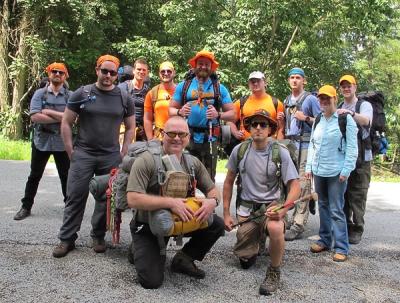
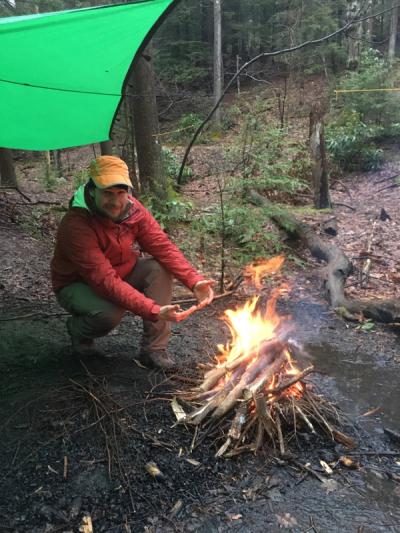
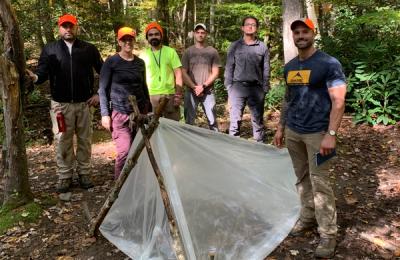
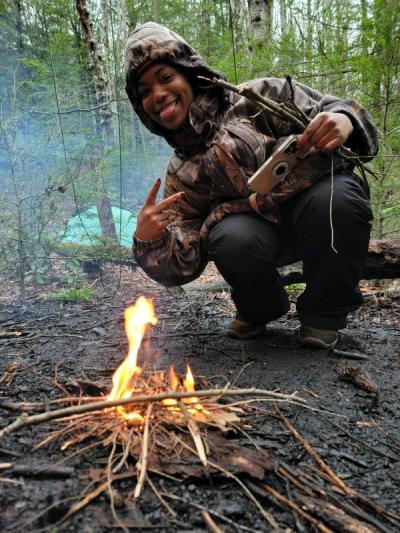
I’ve seen similar language in news stories. A group of teenagers learns to build a fire and shelter at a local state park, and the reporter calls the person teaching the skill a “survivalist” instructor. Someone buys a water filter and a first-aid kit, and suddenly they’re labeled a “survivalist.”
The word gets thrown around as if it simply means “someone who likes the outdoors and wants to be prepared.”
But words matter.
Because there is a meaningful difference between a survivalist and a survivor.
And that difference matters.
The Survivor Mindset
A survivor prepares for temporary emergencies.
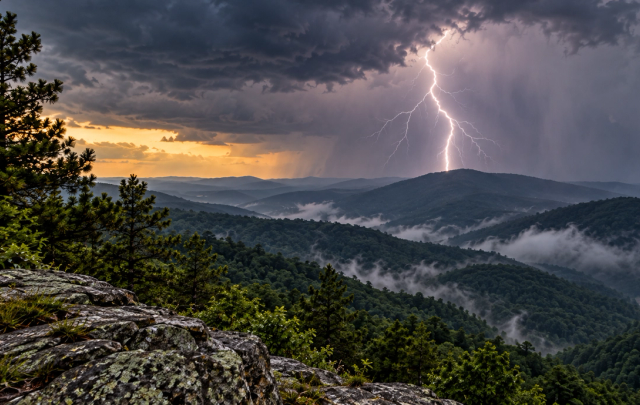
A storm rolls in sooner than expected. A hiker twists an ankle. A vehicle breaks down on a remote road. A wildfire forces an evacuation. The grid goes down for a few days.
The survivor’s mindset is clear: stabilize the situation, protect others if necessary, and return home safely.
The emergency is a problem to solve — not an identity to adopt.
A survivor trains because competence reduces fear. She carries gear not to signal toughness, but to manage risk. She studies wilderness survival skills, land navigation, first aid, and shelter-building not because she expects society to collapse, but because she understands that nature is indifferent.
The goal is resilience — not isolation.
If you’ve ever read Lord of the Flies, you’ve seen what happens when order erodes and self-interest dominates. The survivor resists that descent. He understands that discipline, cooperation, and moral clarity are what keep humans from reverting to something far less admirable.
Survival, properly understood, is temporary.
It is a bridge back to normalcy.
The Survivalist Mindset
The survivalist, at least as I’ve learned to understand it, implies something different.
The survivalist is oriented toward an abstract, permanent emergency — the collapse of civil society, the breakdown of institutions, the inevitability of chaos. There is often a fascination with that collapse. Sometimes even a quiet anticipation.
The emergency becomes not something to endure, but something to validate identity.
Comparing the Two
One stores vegetable seeds.
The other stores ammunition.
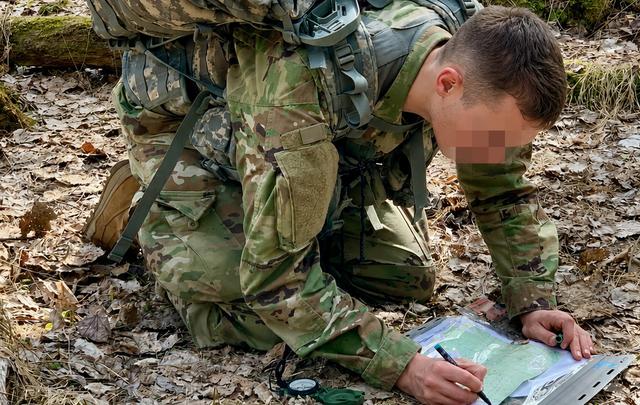
One trains to navigate out of danger.
The other trains to defend against neighbors.
One hopes never to use his skills.
The other imagines scenarios where he must.
This mindset can drift toward isolation and suspicion. It subtly reshapes the goal from “return home safely” to “endure indefinitely.”
And that is a very different psychological posture.
Why This Distinction Matters in Wilderness Survival
Words shape identity.
If we casually label ordinary preparedness as “survivalism,” we unintentionally blur an important distinction. Most people who take a wilderness first aid course, carry a map and compass, or keep a few days of food and water at home are not survivalists in the cultural sense.
They are simply responsible adults.
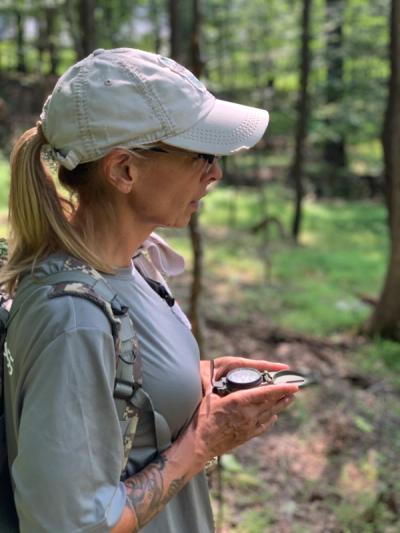
There is nothing extreme about learning how to build a fire, navigate without GPS, or treat a bleeding wound. These are practical human skills — the kind our grandparents took for granted.
The outdoors doesn’t demand paranoia.
It demands competence.
And competence is quiet.
A true survivor does not fantasize about catastrophe. She prepares for low-probability, high-consequence events because preparation reduces the burden on others. It increases the likelihood that rescuers won’t have to risk themselves unnecessarily. It improves the odds that family members make it home.
Preparedness, when properly understood, is an expression of responsibility — not rebellion.
Look to the Mountains
Look to the mountains of Northeastern Pennsylvania — or anywhere else, for that matter.
Search-and-rescue teams deploy every year for hikers who underestimated terrain, weather, or distance. These are not societal collapses. They are ordinary miscalculations compounded by lack of preparation — exactly the kind of preventable situations disciplined training is meant to address.
The individuals who fare best in those situations are not the ones with the most dramatic gear collections. They are the ones who practiced the fundamentals — navigation, pacing, medical, communication, judgment.
They are survivors.
They understand that survival is not a lifestyle.
It is a temporary condition to be exited as efficiently as possible.
Preparedness Without Paranoia
Perhaps we need to reclaim the word “survivor.”
It implies resilience without romanticizing collapse. It suggests competence without extremism. It places the focus on responsibility rather than identity.
The survivor prepares so that emergencies remain temporary.
That mindset is healthier — and far more useful — for the average outdoor enthusiast.
At True North, we teach wilderness survival, first-aid, and land navigation skills with exactly that orientation. The goal is not to live off-grid indefinitely or rehearse apocalyptic scenarios. The goal is disciplined competence under stress — the ability to solve problems, care for others, and return home with dignity and pride.
That is survival in its proper context.
And that is something worth striving for.
Meet the Author

Erik Kulick, Founder & Chief Instructor
Erik is a Pennsylvania-certified EMS Instructor, Fellow of the Academy of Wilderness Medicine, and served in law enforcement. He works with individuals and groups across all skill levels -- from beginners to members of the SOF community. He's been featured in national and international media, including CNN, The Associated Press, Backpacker, and The Guardian.
To learn more about Erik, visit him on LinkedIn and be sure to follow him on Facebook, Instagram, and YouTube.