Why Some Hikers Need Rescue — Avoid Being That Person

Erik Kulick · Jun 6, 2025
Search-and-rescue missions make headlines every week. What stands out isn’t the terrain — it’s the lack of preparation. Most wilderness emergencies are preventable.
In the span of just ten days recently, two search-and-rescue missions made national news. That alone isn’t unusual. Incidents like these occur constantly across the country. What was remarkable was how completely unprepared the individuals were.
In the first case, two brothers set out for what they described as a “four-hour hike.” After becoming disoriented, they spent three difficult days in the woods before being rescued. One later told reporters, “I didn’t think that it could happen.”
In the second incident, a hunter who had already spent one night lost in the mountains was briefly located by a military helicopter — but he didn’t know how to properly signal his position and was left behind during the search.
Neither situation resulted from extreme wilderness conditions. It’s simply that “It can’t happen” actually happened.
And they weren’t prepared.
Because in the outdoors, the difference between inconvenience and catastrophe rarely comes down to drama. It usually comes down to mindset, skill, and a few critical tools.
The Two Questions That Shape My Preparation
Whenever I head outdoors — whether for a few hours or several days — I prepare with two core questions in mind.
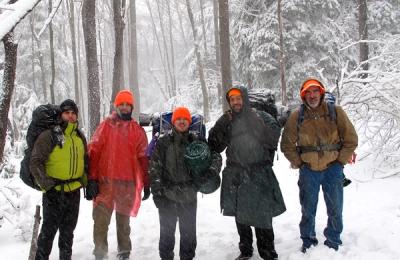
First: What if I find myself in a bad situation? Weather shifts. Ankles break. Trail disappears in the snow. Even experienced outdoors people make mistakes.
Second: What if I encounter someone else who needs help? A lost hiker. An injured hunter. Someone suffering a medical emergency. If I have the ability to assist, I carry the responsibility to do so.
That mindset shapes everything I carry.
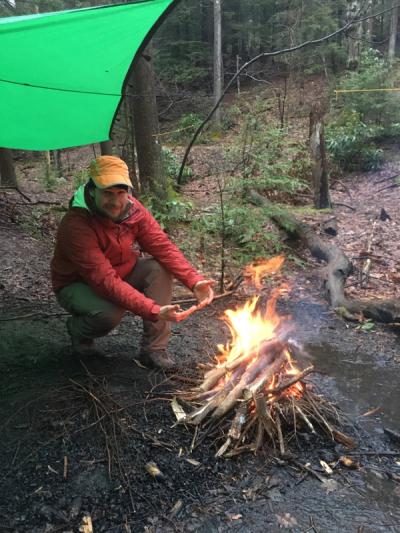
Even on a simple day hike, I prepare for an unplanned overnight.
What I Carry — Even on a Day Hike
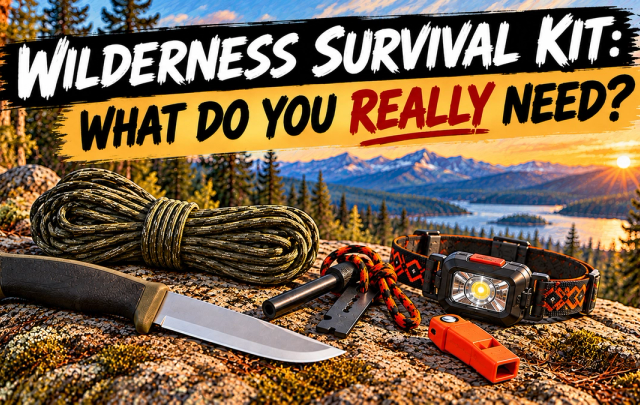
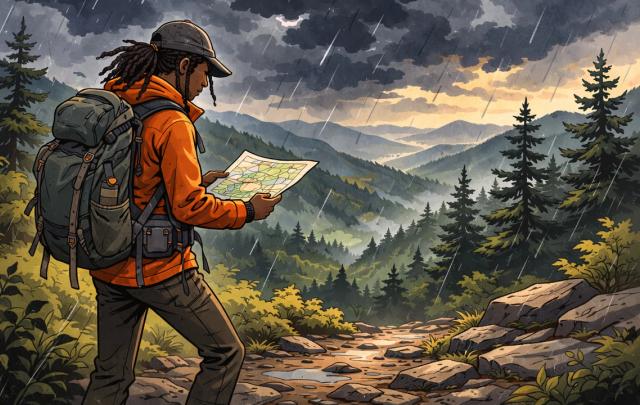
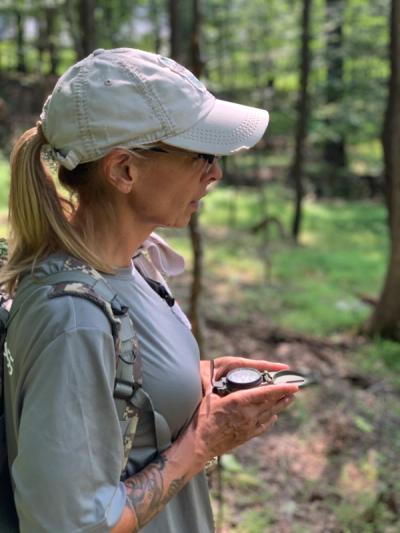
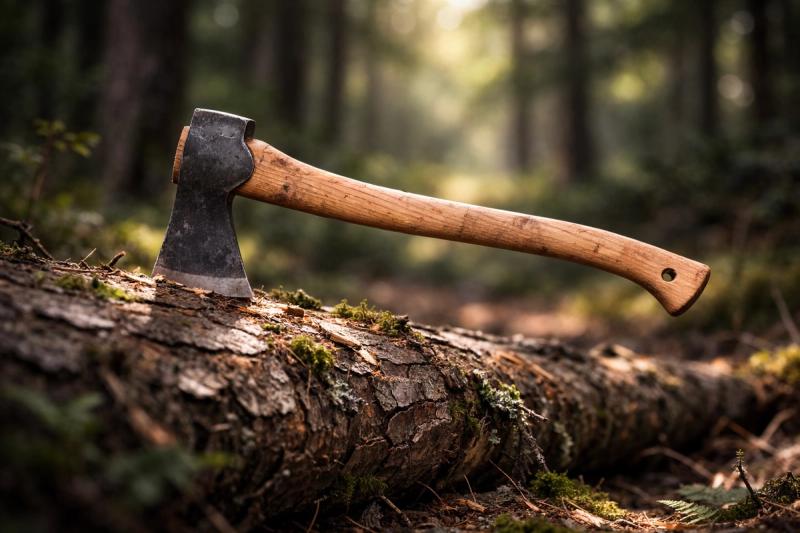
In addition to water and extra clothing, I carry a survival kit, a Gränsfors Bruk axe, a first-aid kit, a topographic map and compass, and an emergency signaling device — an ACR ResQLink Personal Locator Beacon (PLB).
Yes, all add weight to my pack.
But a few pounds are insignificant compared to consequences.
A few carefully chosen tools dramatically expand your margin of safety.
The Problem With “Carry Less” Survival Advice
There has long been a trend in the outdoor community — It's commonly known as Ultralite (UL) hiking — toward carrying as little gear as possible and relying primarily on improvisation. This philosophy is even taught by some survival schools.
Improvisation and adaptability are foundational skills in the outdoors — particularly in survival situations. After all, it’s impractical to carry everything you might need. But that doesn’t mean you should carry as little as possible and plan to improvise the rest.
Modern military survival doctrine reflects a more balanced approach — adaptability supported by essential equipment. It’s the same disciplined philosophy we emphasize at True North.
Mindset prepares you to anticipate problems.
Skill allows you to respond effectively.
Tools give you leverage when conditions deteriorate.
Remove one of those, and your margin shrinks quickly.
The Myth of the “10 Essentials”
Another common misconception is the idea of the “10 Essentials.” While well-intentioned, no universal checklist applies equally to every person and every trip.
What you carry should reflect your environment, the activity at hand, your level of training, and your budget. A map and compass may appear on every “essentials” list — but how essential are they if you don’t know how to read a map or use a compass?
Gear without knowledge is just extra weight.
Training Turns Tools Into Capability
Effectively managing an emergency requires competence — knowing when to deploy a signaling device, how to stabilize an injury, how to navigate deliberately rather than wander, and how to make sound decisions under stress.
Tools matter. Training matters more.
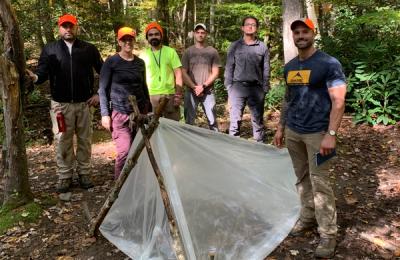
At True North, that’s precisely why we run our Wilderness Survival Program – from our introductory to advanced courses. This helps clients build the judgment, practical skills, and disciplined habits that prevent small problems from becoming rescue scenarios. The goal isn’t to carry more gear. It’s to develop the capability to decide what to carry, how to use what you carry — and to think clearly when it matters.
The goal is not paranoia.
It’s capability.
The Real Difference
That quote — “I didn’t think it could happen” — appears again and again after rescues.
Emergencies rarely begin as dramatic events. They start small: a missed trail junction, a sudden temperature drop, a minor injury that compounds over time.
Preparation doesn’t eliminate risk.
But it does determine whether a bad day becomes a rescue — or just a story you tell later.
And more often than not, the difference between inconvenience and catastrophe comes down to mindset, skill, and a few critical tools.
Meet the Author

Erik Kulick, Founder & Chief Instructor
Erik is a Pennsylvania-certified EMS Instructor, Fellow of the Academy of Wilderness Medicine, and served in law enforcement. He works with individuals and groups across all skill levels -- from beginners to members of the SOF community. He's been featured in national and international media, including CNN, The Associated Press, Backpacker, and The Guardian.
To learn more about Erik, visit him on LinkedIn and be sure to follow him on Facebook, Instagram, and YouTube.