Success at SFAS Land Navigation: Prepare Before You Arrive

Erik Kulick · Apr 6, 2025
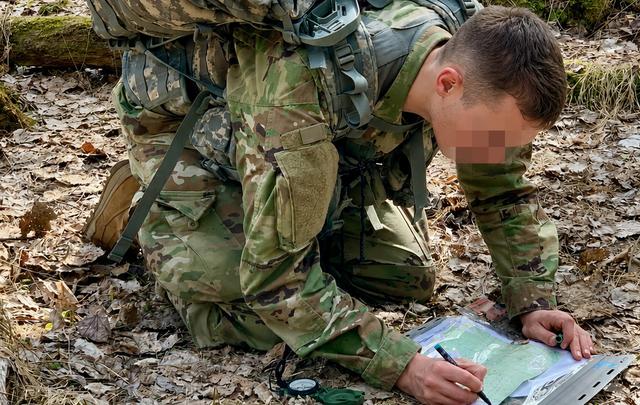
At SFAS, land navigation rewards disciplined execution under stress — forged through disciplined practice and repetition.
You’ve committed to standing in the ranks of Army Special Forces.
But the road to Group runs through one of the most demanding selection processes in the U.S. military — Special Forces Assessment and Selection (SFAS). SFAS is not simply a gate. It is designed to assess whether you can succeed in the Q Course and, more importantly, whether you can operate effectively in the environments where Special Forces are expected to perform.
Most candidates understand that physical preparation matters. Fewer appreciate how decisive land navigation can be.
Over the years, one of the most consistent concerns we hear from 18X candidates — as well as Ranger and BRC prospects — is anxiety about the land navigation component. That concern is justified. Small mistakes — when combined with stress, sleep deprivation, and physical pain — compound. Minor errors can bring significant consequences. Like failure.
In our Mil-Nav Program, we regularly work with the SOF community — from Navy SEAL and Marine Raider to Army Green Beret — so let me offer some guidance.
Why Land Navigation Is Hard
First, land navigation is simple in theory but difficult in practice. Many soldiers were introduced to map and compass work during basic training or early in their careers. But exposure is not mastery. True proficiency requires repetition, patience, and disciplined attention to detail. You must learn to sweat the small stuff. A misread contour line, a sloppy azimuth, a neglected declination adjustment — each seems minor in isolation. Over difficult terrain, however, those errors multiply. At SFAS, multiplied errors lead to missed points — and missed points can lead to recycle.
Second, land navigation is a highly perishable skill. Skill fades faster than most expect. Even six months without deliberate practice can dull your fundamentals. You may think you remember — but under fatigue and time pressure, “I remember” isn’t the same as “I can execute.”
Tip #1 — Take a Course
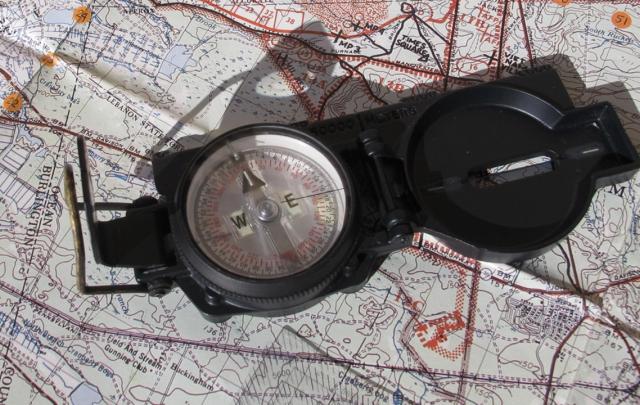
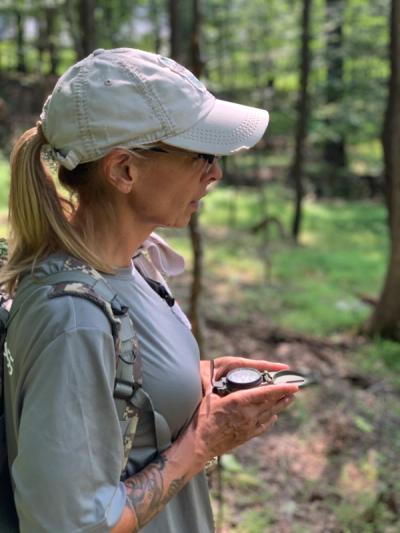
The first step in preparation is returning to fundamentals through structured instruction. Even if you have prior training, a focused course can recalibrate your foundation and help you identify weak links before they matter. In our Baseline Military Land Navigation course, the first priority is always fundamentals — map elements, compass components, understanding of declination, and the process to put them all together to accurately find your position on the map, then move to another one. All of this is then followed quickly by a lot field work.
A solid program should transition fast from explanation to application and include a lot of guidance from an instructor. You should practice dead reckoning and terrain association, learn to use handrails and attack points intelligently, and work work practical search methods in real vegetation and real terrain — not just on paper. The progression should be crawl, walk, run — build solid habits first, then add complexity and speed only after precision becomes consistent.
By the end of that instruction, you should be capable of navigating over distance deliberately from Point A to Point B to Point C and back again to Point A with intention and confidence rather than guesswork and stress.
Tip #2 — Get Serious Dirt Time
Completing a course is not the end of your training — it’s the beginning. The candidates who improve fastest are the ones who go home and put in the hours. Real confidence in land navigation is earned alone. It is developed during long days in the woods with no one correcting you.
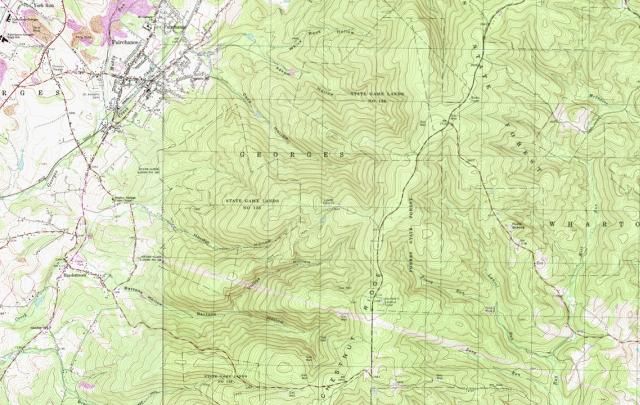
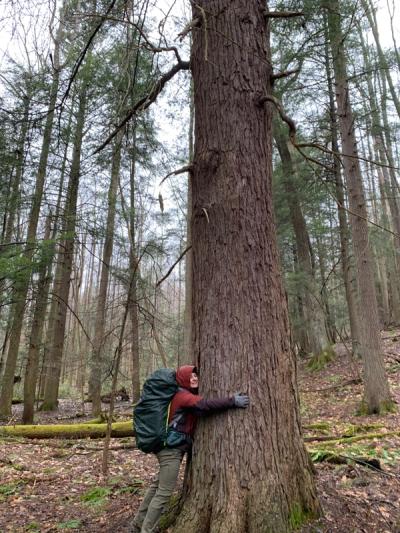
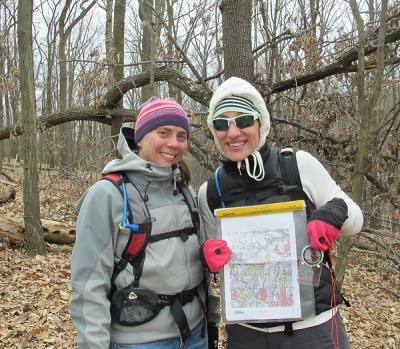
Choose a nearby state park. Obtain a proper topographic map. Plot your own points. Move between them. Make mistakes. Then conduct your own after-action review so you can learn from those mistakes. Where did you drift? What feature did you misread? Did you lock onto an attack point, or did you just “hope” you were close? Progress occurs when frustration forces reflection. That cycle — error, correction, repetition — builds competence far more effectively than passive study.
If you want to stress your skills further, seek environments that elevate both physical and cognitive demand. Orienteering events, rogaines, and adventure races introduce fatigue, time pressure, and environmental stress. Navigating accurately while tired, dehydrated, and in pain exposes weaknesses quickly. It also accelerates growth. The discomfort may feel excessive — but it mirrors aspects of what you will encounter at SFAS.
Tip #3 — Use a Proven Reference
Books and videos can be terrific training tools, but they are supplemental. One text worth owning and rereading is Be Expert with Map and Compass by Björn Kjellström. Its tone may appear simple, but its principles are foundational. Many modern land navigation manuals, including those used within the U.S. Army, incorporate its underlying concepts.
Study it — then apply what you learn outdoors. Knowledge without application creates false confidence. Application creates capability.
Wrap
This article is only a primer. True mastery develops as you learn to terrain associate under pressure and plan routes through harsh terrain, vegetation, and weather. But none of those advanced elements matter if your fundamentals are weak.
SFAS rewards discipline.
Land navigation is not about speed — it is about precision. Precision builds confidence. Confidence builds speed. Practice makes precision permanent.
If you commit now — months before your rally date — to becoming deliberate, patient, and exact with a map and compass, you will arrive better prepared than many of your peers.
Prepare to prevail.
Meet the Author

Erik Kulick, Founder & Chief Instructor
Erik is a Pennsylvania-certified EMS Instructor, Fellow of the Academy of Wilderness Medicine, and served in law enforcement. He works with individuals and groups across all skill levels -- from beginners to members of the SOF community. He's been featured in national and international media, including CNN, The Associated Press, Backpacker, and The Guardian.
To learn more about Erik, visit him on LinkedIn and be sure to follow him on Facebook, Instagram, and YouTube.